The Moroccan Sahara can be visited all year, but the experience changes a lot from one season to the next. Afternoons can be pleasantly warm in March and extremely hot in July. Nights can be mild in October and close to freezing in January. Here is what to expect so you can choose your dates and pack the right clothes.
The short answer
March to May and late September to November are generally the most comfortable months: warm days, cool evenings and good light for photography. Winter is a good alternative if you do not mind cold nights. Summer is possible with careful planning, early starts and a camp that is equipped for the heat.
Season by season
| Season | Days | Nights | Good to know |
|---|---|---|---|
| Spring (Mar–May) | Warm, pleasant | Cool | Very popular. Windy days and sandstorms can occur. |
| Summer (Jun–Aug) | Very hot, often above 40 °C | Warm | Plan activities at sunrise and sunset. Rest at midday. |
| Autumn (Sep–Nov) | Warm, then mild | Cool to cold | Excellent light and comfortable camel rides. |
| Winter (Dec–Feb) | Mild and sunny | Cold, sometimes near 0 °C | Clear starry skies. Snow is possible on the Atlas passes. |
Temperatures vary from year to year. Check a recent forecast for Merzouga or Zagora a few days before you travel.
Spring (March to May)
Spring is high season for good reason. The valleys are green, the Valley of Roses around Kelaat M’Gouna blooms in late April and early May, and days in the desert are comfortable. The main downside is wind: spring is the most likely season for sand-laden winds that can blur the views for a few hours. Easter holidays are busy, so book early.
Summer (June to August)
Summer in the Sahara is extremely hot during the day. Tours still run, but the schedule changes: camel rides happen late in the afternoon and at dawn, and the middle of the day is spent in the shade or by a pool. Choose air-conditioned accommodation where possible, drink a lot of water and avoid physical effort at midday. The crossing of the High Atlas is a welcome cool break.
Autumn (September to November)
Autumn brings softer heat and golden light. September can still be hot, October is usually ideal and November starts to bring cold nights. The date harvest takes place in the oases in autumn, and markets in Rissani and Erfoud are full of fresh dates.
Winter (December to February)
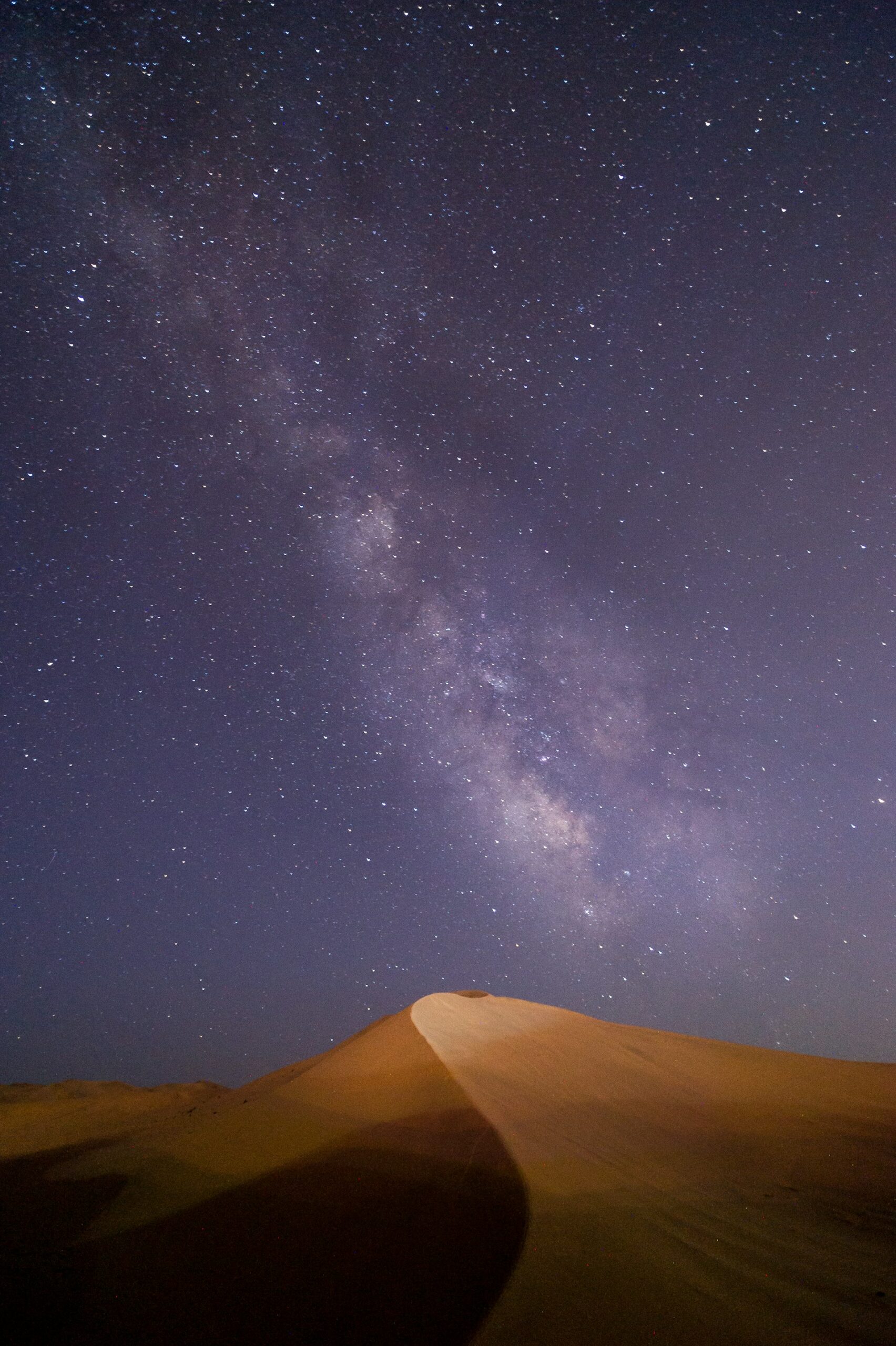
Winter days are often sunny and pleasant, ideal for walking in the dunes. Nights are cold, and that is when the camp makes the difference: ask whether tents have thick blankets, hot water and heating. The skies are often exceptionally clear, which makes winter a great season for stargazing. Snow can occasionally affect the Tizi n’Tichka pass and the Middle Atlas, so a flexible itinerary helps.
Other dates to consider
- Ramadan: the dates move each year. Tours run normally, though some restaurants keep different hours during the day.
- School holidays (Christmas, Easter, summer): book desert camps well in advance.
- Full moon: the dunes are beautifully lit, but you will see fewer stars. Choose a new moon if stargazing is your priority.
So, when should you go?
If your dates are flexible, aim for spring or autumn. If they are not, every season can work with the right itinerary, camp and clothing. Our team adjusts timings to the season, for example earlier departures in summer and warmer camps in winter. Read our desert packing guide and explore our desert tours.
Frequently asked questions
Is it too hot to visit the Sahara in summer?
It is very hot, but manageable if you avoid the midday sun, stay hydrated and choose comfortable accommodation. People sensitive to heat should prefer another season.
Does it rain in the Moroccan Sahara?
Rarely. Short storms can happen, but rain is not usually a factor when planning a desert trip.